

How To Fix Mistakes In Acrylic Painting
The sad reality of painting is that y'all volition make mistakes, especially if you are just starting out. Things rarely become as planned. The drawing might look slightly awkward, the colors might not work together or you might have just made ane too many strokes.
In this post, I want to discuss how you can deal with making a mistake in your painting. Just earlier I get into it, I will say that mistakes are certainly not express to beginners. You volition e'er make mistakes, no affair what your skill level is. Withal, the departure between a main artist and a beginner artist is that the master will exist able to apace and efficiently resolve mistakes. So try not to get frustrated by mistakes. They are just part of the game.
And then let's become into it. I cover:
- Work Out What The Problem Is
- Trouble Solving Tips
- Can Yous Fix The Problem?
- Pick 1: Keep Adjusting Until You Are Happy
- Option 2: Get Out Your Palette Knife
- Option 3: Cut Your Losses, Wipe Down And Start Over
- Want to Learn More?
- Thanks for Reading!

Above is a recent painting, before information technology all went wrong…
Work Out What The Problem Is
If you think you made a mistake in your painting, the beginning thing you should do is stop working and identify the trouble. You do not want to try and guess your mode to a solution. That would frequently but lead to an overworked mess on the sail.
If you tin can identify the trouble, so y'all will have a much greater chance of resolving the trouble. In painting, in that location are few mistakes which cannot be fixed if you place them early. But you do non take unlimited attempts at fixing a problem. Eventually, your paint on the sheet volition go overworked and will not be pleasant to piece of work with. That is why it is important to piece of work efficiently when you lot are trying to solve a problem in your painting. Trial and error is not a great approach.
When yous brand a fault, information technology is often non clear what the mistake actually is. You volition observe that information technology just looks wrong, merely yous volition not understand why. And so, that is why you need to go into problem-solving style when you think you have made a mistake.
Here are some of the most mutual areas where mistakes occur:
- Your drawing is wrong. This is probably the most common mistake.
- Your values are incorrect. This tin be a tricky problem to identify, every bit you might have the righthue merely the color is too night or lite.
- Your edges are wrong. With edges, you accept hard, soft and lost edges (I wrote well-nigh edges in this post). Edges provide a lot of information about a subject, merely if you employ the wrong edges, and then that may look awkward and confusing. For example, a hard border may expect out of place when used for the horizon line in an overcast seascape painting.
- Yous have not painted in accordance with the light source.
- Your colors are incorrect. Color (or more specifically, hue) is the last and to the lowest degree important on this listing, equally it does not really provide that much information about a field of study. Just information technology is withal a common area to brand mistakes.
More often than not your problem will sit in ane of the areas above. If you lot can narrow your problem down to one of these areas, then y'all just need to go along narrowing down until you lot are very confident in what the issue is.
Trouble Solving Tips
Hither are some applied tips for problem-solving.
Grids
If you think at that place is an accurateness result with your drawing, you can place a grid on a photo of your painting and the reference photograph to identify any discrepancies and where those discrepancies occur.
Side-by-side photo comparison
If I feel like something is off in my painting, I will sometimes accept a photo of it and compare it side-by-side to the reference photo. You can apply a website similar Canva to do this.


Color checking
You tin use a color checker in Photoshop or some other editing program to compare the colors in your painting and the colors of your reference photo. However, I would only practise this if in that location is a serious concern virtually the colors. You do non desire to start relying on editing software.

Thumbnails
When you expect at a total-sized image, you are exposed to all the details, no thing how insignificant. As a result, yous tend to overlook the "large picture" stuff like color harmony and composition. As the former saying goes….
"It can be difficult to meet the forest through the trees."
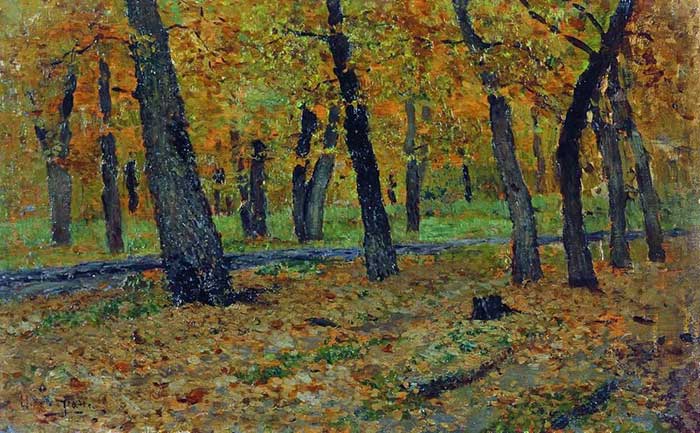
Thumbnail images are a cracking tool for seeing your painting without all the detail.
After I have finished a painting, I will often compare a thumbnail image of the painting to a thumbnail image of the reference to see if there are any glaring differences in composition and color. The thumbnail images reveal the "big picture" problems which I may non exist able to see with the full-sized images.

Look at the painting in grayscale
If you take a photo of your painting and convert information technology to grayscale, you can easily see if at that place are any glaring problems in terms of value.


Tin You Fix The Trouble?
Once y'all have identified that a problem exists and what the problem is, then you lot need to determine if the problem tin exist stock-still. Unfortunately, non all problems can be stock-still. Some mistakes are so cardinal that information technology would be futile to try and work through them. These kinds of mistakes usually occur early and are not picked up until the later stages of a painting.
What mistakes tin be stock-still?
- Mistakes which you have only recently fabricated in the painting can usually be fixed pretty easily.
- Mistakes which involve minor aspects of the painting. In fact, these mistakes tin can often be left unchanged if they have trivial impact on the overall painting.
- Mistakes regarding colors and edges tin can be fixed easily if working alla prima.
What mistakes cannot exist fixed?
- Mistakes which occurred early in the painting procedure and involve a key aspect of the painting.
- Mistakes which involve the overall composition and colour harmony of the painting. These mistakes ordinarily occur before you have even picked upwardly your brush, during the planning and subject area selection phase of your painting.
Pick 1: Keep Adjusting Until You Are Happy
If the mistake is fixable, you could start making adjustments until you are happy with what is on the sail. Nonetheless, you should be very careful before you place castor to canvas here. Take an actual plan for fixing the problem and recall very difficult before making each stroke.
Think, every stroke you brand could either brand your painting better or worse. If you are fixing a problem, and then you do not want to keep excavation a bigger hole for yourself.
In my painting below, I was non happy with the sunset. At the time information technology was fixable, so I started making adjustments (but sadly this painting did not work out, as you lot volition come across at the terminate of this postal service).


Option 2: Get out Your Palette Knife
If the mistake is more significant, information technology may be more efficient to just use your palette knife to scrape abroad the pigment from the affected expanse. This pick tin save you much frustration in trying to work through the trouble.
But be careful that you simply scrape away the affected area and that areas which are fine are left untouched.
Also, yous do non need to go rid of all the paint from the canvas. You only demand to scape away enough paint so that the canvas is in one case again responsive (the more paint you have on the canvas, the harder it is to work with).

Selection three: Cutting Your Losses, Wipe Down And Start Over
The last and most drastic option is to merely cut your losses, wipe the canvass downwardly and start again. Sometimes, the fault can be and then significant that information technology would just exist futile to keep working through it.
I will resort to this selection when I just exercise similar where my painting is at and I see no possible style of turning it around. But before I wipe the canvas downward, I ordinarily brand a few last-ditch efforts to become the painting dorsum on track. There is naught to lose at this stage so I can take risks I usually would non take. If those efforts do not work out, and so I but call it there and start again.
If the painting cannot exist fixed, just take a palette knife and scrape abroad the majority of the paint. Then you can take a rag plus some solvent and wipe information technology downward further (if y'all are using oils). If you are planning to piece of work on the same limerick, then you lot might want to proceed some kind of remnants of the painting on the canvas to aid with your second endeavour.
Beneath is a painting that but did not work out for me. I may have really pulled the plug on this 1 a bit early, but sometimes information technology feels good to merely scrap it and start once more. I actually took a risk with this painting by continuing to work on it when I could have merely left it where it was.
I would much rather take a risk and screw some paintings upwards, than but ever have the safe approach. The safe approach would have me never improving.

Want to Learn More?
You might exist interested in my Painting Academy course. I'll walk y'all through the time-tested fundamentals of painting. Information technology's perfect for absolute beginner to intermediate painters.
Thanks for Reading!
I capeesh you lot taking the time to read this post and I promise you found it helpful. Experience free to share it with friends.
Happy painting!
Dan Scott
Describe Paint Academy
About | Supply List | Featured Posts | Products

How To Fix Mistakes In Acrylic Painting,
Source: https://drawpaintacademy.com/painting-mistake/
Posted by: creedeneas1998.blogspot.com
0 Response to "How To Fix Mistakes In Acrylic Painting"
Post a Comment